
Moving to a new home or relocating a business can be an exciting step forward, but the process itself often comes with many responsibilities that require careful organization. Many people underestimate how much planning is necessary before the moving day actually arrives. Without preparation, relocation can quickly become stressful and chaotic. However, when individuals begin planning early, the entire experience becomes far easier to manage.
Early planning allows people to organize their belongings, prepare packing materials, coordinate transportation, and approach relocation with confidence. Instead of rushing through tasks at the last moment, early preparation creates a structured process that unfolds step by step.
Relocation should never be viewed as a single event that happens on moving day. In reality, a successful move is the result of multiple preparation stages that begin weeks in advance.
Why Early Planning Matters
The biggest mistake many people make during relocation is waiting too long to begin the preparation process. When packing starts only a few days before the move, individuals often feel overwhelmed by the number of tasks that must be completed.
Starting early provides the opportunity to divide responsibilities into smaller steps. This makes the relocation process far more manageable and reduces the stress associated with last-minute decisions.
Professional relocation specialists frequently recommend reviewing reliable moving preparation tips before beginning the planning stage. These resources help individuals understand how experienced movers approach relocation and how to organize tasks efficiently.
Helpful moving advice can be found here:
https://www.moving.com/tips/
Learning from professional strategies allows individuals to avoid many of the mistakes that commonly occur during relocation.
Decluttering Before Packing
Another important step in early relocation planning is reviewing belongings before packing begins. Most households accumulate items over time that are rarely used or no longer needed.
Moving these unnecessary items increases both the workload and the number of boxes that must be transported.
Sorting belongings into categories such as keep, donate, and discard can significantly simplify the moving process. By reducing the number of items that must be packed, individuals can focus on organizing the belongings that truly matter.
Decluttering also provides an opportunity to start fresh in the new home with a more organized environment.
Creating a Structured Packing Strategy
Packing is one of the most time-consuming stages of relocation, which is why a structured packing strategy is essential. Instead of packing items randomly, it is much more efficient to pack belongings room by room.
This approach keeps related items together and makes unpacking much easier after the move is completed.
Each box should be labeled clearly with the destination room and a short description of its contents. Clear labeling helps movers place boxes in the correct areas of the new home and prevents confusion during unpacking.
Many relocation professionals recommend using a structured packing and moving checklist to track packing progress. A checklist helps ensure that all preparation tasks are completed and that no important steps are forgotten.
A helpful checklist can be reviewed here:
https://www.consumerreports.org/moving/how-to-pack-for-a-move/
Using a checklist keeps the entire packing process organized and allows individuals to move forward confidently.
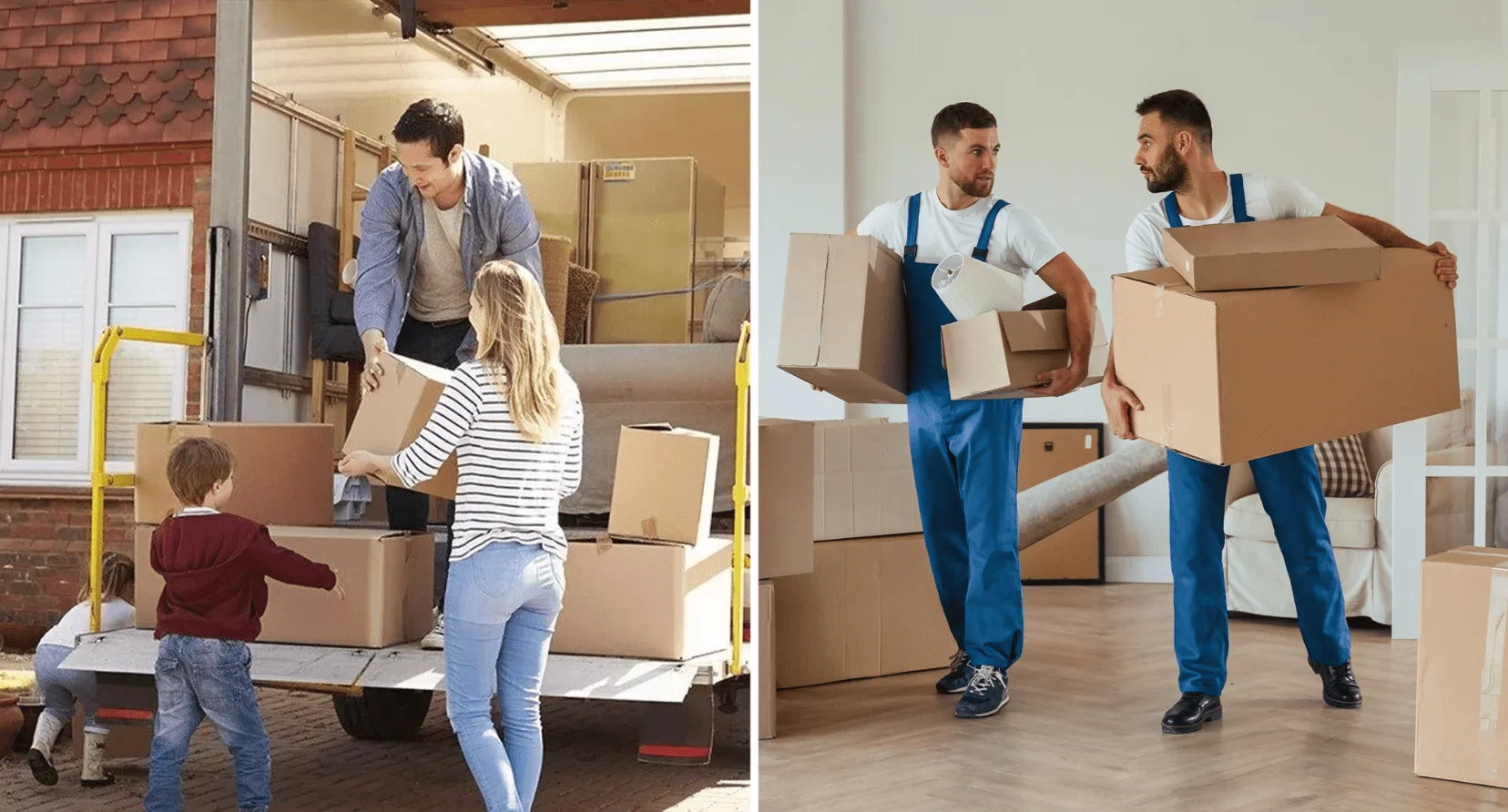
Protecting Fragile Items
Fragile items require extra attention during relocation. Glassware, electronics, and decorative objects should always be wrapped carefully using protective materials such as bubble wrap or packing paper.
Boxes containing fragile items should also be labeled clearly to ensure that movers handle them carefully.
Another helpful technique involves filling empty spaces inside boxes with cushioning materials. This prevents items from shifting during transportation and significantly reduces the risk of damage.
Taking extra time to protect fragile belongings helps ensure that items arrive safely at the new location.
Preparing Furniture for the Move
Large furniture items often require preparation before transportation. Beds, tables, and shelving units may need to be partially disassembled to allow easier movement through doorways and hallways.
Removing detachable parts helps prevent damage and makes furniture easier to load into moving vehicles.
Protective blankets and covers can also help protect furniture surfaces during the relocation process.
Preparing furniture ahead of time also speeds up loading procedures on moving day.
Coordinating Transportation
Transportation planning is another critical part of relocation preparation. Scheduling transportation early ensures that moving vehicles are available and that loading procedures can be organized efficiently.
Early scheduling also helps avoid delays during busy moving seasons when many relocation services are fully booked.
Professional moving companies such as RWR Moving help homeowners and businesses handle relocation logistics more efficiently by coordinating transportation, organizing loading procedures, and ensuring that belongings arrive safely at the new destination.
Learn more here: https://rwrmoving.com/Working with experienced movers often makes the relocation process far less stressful and allows individuals to focus on other important aspects of their move.
Preparing for Moving Day
As moving day approaches, final preparations should focus on completing remaining packing tasks and organizing essential items.
Many people prepare a small essentials box containing items that will be needed immediately after arriving at the new home. This box may include personal documents, phone chargers, medications, toiletries, and basic kitchen supplies.
Having these items easily accessible makes the first day in the new home much more comfortable.
Settling Into the New Environment
Once the move is completed, attention shifts toward unpacking and organizing the new space. Maintaining the same structure used during packing helps simplify the unpacking process.
Boxes should be placed directly into their designated rooms so that unpacking can proceed efficiently.
Beginning with essential areas such as kitchens, bathrooms, and bedrooms allows the new home to become functional quickly.
Gradually unpacking the remaining boxes allows individuals to settle into their new environment comfortably.
Relocation represents a new chapter in life, and with early planning and careful organization, the process can become far more manageable than many people expect.
By preparing ahead of time, maintaining clear organization, and coordinating transportation effectively, individuals and families can transform relocation into a smooth and successful experience.